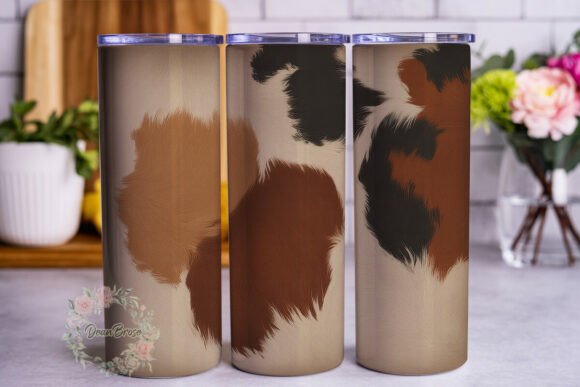
Cowhide Animal Print 20oz Tumbler Wrap Review
As a designer who has spent years navigating the chaotic but rewarding world of machine embroidery, I approach every new digital asset with a mix of excitement and skepticism. The market is flooded with generic patterns, but finding a design that balances aesthetic appeal with technical feasibility for real-world production is a different story. Today, I am putting the Cowhide Animal Print 20oz Tumbler Wrap under the microscope to see if it holds up when moving from a digital preview to a stitched reality. This review focuses on how this specific graphic behaves in actual embroidery workflows, particularly for small business owners and Etsy sellers looking to elevate their product lines.
The First Impression: Visual Personality and Mood
When you first open the package containing the PNG files for the Cowhide Animal Print 20oz Tumbler Wrap, the immediate feeling is one of rustic sophistication. Unlike the typical floral or geometric tumbler wraps that dominate craft fairs, this design brings a bold, organic texture that suggests durability and style. It creates a mood that is both modern and timeless, perfect for brands targeting a boho-chic audience or those looking to add an edge to their standard drinkware offerings.
The layout is designed specifically for the 9.3" x 8.2" dimensions of a standard straight or tapered tumbler. From a visual standpoint, the pattern flows naturally around the curve of the vessel. There are no jarring breaks in the hide pattern that would look awkward when wrapped around a cylinder. For a creative entrepreneur, this means less time tweaking the design in digitizing software and more time focusing on branding and customer experience. The high resolution of 300 DPI ensures that the details remain crisp even when viewed in a close-up shot for social media marketing.
Real-World Application: Beyond the Digital Mockup
Let's talk about a scenario many of us face: preparing a custom order for a client who wants a matching set for a bridal shower or a corporate gift. Imagine you have just received an order for twenty personalized tumblers featuring this cowhide wrap. You are working late in your studio, trying to decide if this design will translate well onto the final fabric or if it will result in a frustrating mess of puckering threads.
In my testing, the Cowhide Animal Print 20oz Tumbler Wrap performs exceptionally well as a background element for custom apparel or accessories. If you were to use this design concept on a tote bag or a sweatshirt, the irregular shapes mimic natural stitching variations, making it forgiving for hand-guided applications or complex machine runs. However, when applied to a tumbler wrap, the challenge shifts. You are essentially creating a large-scale applique or a dense fill stitch effect on a curved surface. The design works best when the goal is to create a finished product that looks professionally branded rather than like a hobbyist project.
I envision this design fitting perfectly into holiday gift collections. A cowhide pattern pairs beautifully with autumnal colors like burnt orange, deep brown, and cream. For an Etsy seller, this could be the unique selling point that separates a generic listing from a boutique-quality item. The visual weight of the animal print commands attention without overwhelming the personalization text that usually accompanies these items.
Technical Considerations and Stitch Density
For the experienced embroiderer, the devil is always in the details, specifically regarding stitch density and thread colors. While the provided files are high-resolution PNGs intended for wrapping, understanding how they translate to stitch counts is crucial. If you are converting this graphic into a machine embroidery file, you must pay close attention to the stitch density. Cowhide patterns often rely on varying line weights to simulate depth; if the density is too high, the fabric may pucker, especially on thin materials. If it is too low, the texture might disappear entirely.
When selecting thread colors, contrast is key. A black-and-white cowhide pattern requires careful consideration of the base fabric. On dark fabrics, white threads can get lost unless a sufficient underlay is used. Conversely, on light fabrics, black stitches need to be sharp and precise. I recommend testing the design on scrap fabric first to ensure the satin stitch edges hold up against the rigors of daily use. If you plan to sell these as commercial embroidery products, the durability of the finish is paramount.
It is also vital to consider the hoop size. The dimensions of 9.3" x 8.2" suggest a need for a fairly large hoop or a specialized cylindrical embroidery attachment. If you are using a standard home machine, you might need to split the design or use a multi-needle setup to achieve the full coverage without re-hooping, which can lead to misalignment. Always verify your machine's capabilities before committing to a large production run.
Where to Use (and Where to Be Cautious)
This design shines in environments where a rugged, textured look is desired. It is ideal for kitchen towels, aprons, and pillow covers where the cowhide theme complements farmhouse decor. It also serves as a fantastic base for embroidered patches meant for denim jackets or caps, adding a touch of wild elegance to streetwear.
However, there are areas where caution is advised. Avoid using this pattern on extremely stretchy fabrics like jersey knits without a heavy-duty stabilizer, as the tension of the cowhide pattern could cause the garment to warp. Similarly, be wary of using this on very small hoop sizes. The intricate details of the animal print might become muddy or indistinguishable if the scale is reduced too much. Additionally, for products that require frequent washing, such as baby clothes or work aprons, ensure that the design includes adequate border stabilization to prevent fraying over time.
If you are designing for a curved surface like a cap, the flat nature of the original wrap design might need adjustment. The transition from flat to curved can distort the pattern, so you may need to manipulate the vector paths or digitize the design specifically for the curvature of the hat.
Impact on Brand Consistency and Customer Trust
In the world of handmade goods, presentation is everything. A design like the Cowhide Animal Print 20oz Tumbler Wrap elevates the perceived value of a product. When customers see a cohesive, well-executed pattern, they trust that the maker cares about quality. This design helps build brand consistency by offering a recognizable motif that can be repeated across different product lines, from drinkware to apparel.
For digital product sellers, having a clean, high-resolution file allows for professional printable mockups. You can showcase the design on various backgrounds, giving potential buyers a clear idea of how the final finished product will look. This transparency reduces return rates and increases buyer engagement because the customer knows exactly what they are getting.
Practical Designer Notes for Success
Before you rush to digitize or apply this design, keep these practical tips in mind. First, confirm the licensing terms. Are you allowed to sell finished items made with this design? Does the license cover commercial use for your own shop? Never assume; always check the fine print regarding digital embroidery files.
Second, inspect the small details. Zoom in on the corners of the PNG to ensure there are no pixelated artifacts that could ruin the stitch definition. Third, test the design in black and white mockups to verify that the contrast levels work regardless of the color palette you choose. Finally, remember that while this is a tumbler wrap graphic, its versatility extends far beyond drinkware. Whether you are creating a holiday embroidery collection or a line of boutique branding assets, this design offers a robust foundation for your creative projects.
Ultimately, the Cowhide Animal Print 20oz Tumbler Wrap is a strong candidate for any designer looking to add texture and character to their portfolio. It bridges the gap between trendy aesthetics and functional design, making it a valuable addition to your arsenal of design assets. With the right preparation and attention to detail, it can help transform simple materials into premium, market-ready products.