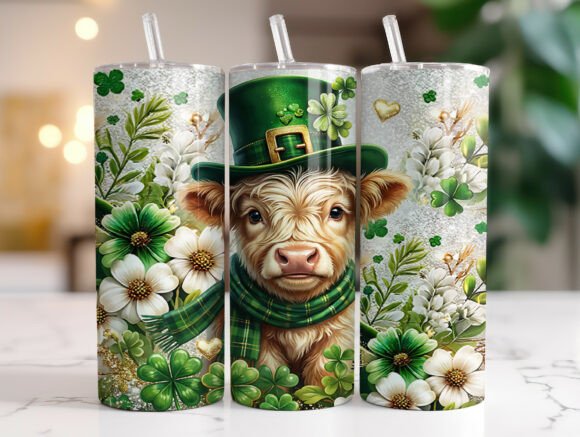
Baby Highland Cow St Patrick s Tumbler Review
I have spent years reviewing digital assets for my own embroidery business, and I know the feeling of finding a design that looks perfect on a screen but falls apart under the needle. When I first encountered Baby Highland Cow St Patrick s Tumbler, I didn't just see a cute image; I saw a potential bestseller for a boutique shop or a heartfelt gift for a family member. As an experienced designer, my job is to look past the initial charm and evaluate the practical application of this asset in a real-world production environment.
This review focuses on how this specific design performs when moving from a digital preview to a physical finished product. Whether you are an Etsy seller looking to expand your holiday collection or a hobbyist preparing a custom baby item, understanding the nuances of this file is crucial before you commit to stitching.
The First Impression: Mood and Visual Personality
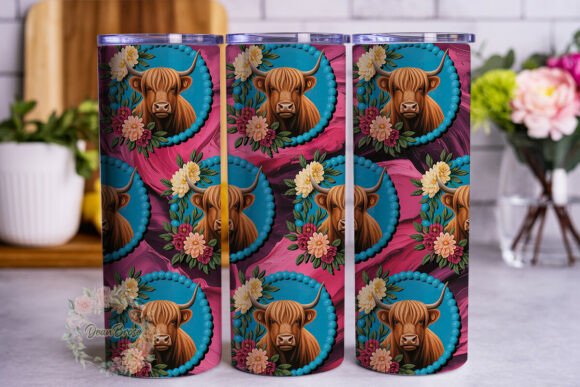
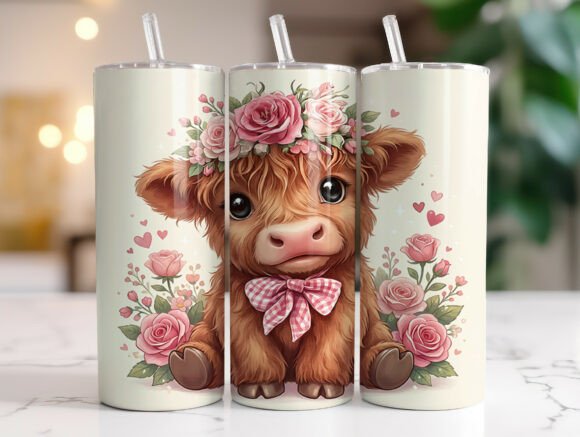
The moment you open the files for Baby Highland Cow St Patrick s Tumbler, the mood is immediately established. It captures that sweet spot between whimsical and seasonal. The high-resolution 300 DPI PNGs ensure that the details of the cow's fluffy coat and the festive green accents are crisp, which is exactly what you need for a professional-looking result. The layout feels balanced, with enough negative space to allow the fabric texture to breathe without overwhelming the subject.
For a tumbler wrap or a vertical graphic, the aspect ratio works well. However, as a designer, I am always thinking about how the "Straight" and "Tapered" versions will translate to different mediums. The visual personality here is playful yet sophisticated enough to command a higher price point on platforms like Etsy. It suggests a handmade product that was curated with care, rather than a generic clipart slapped onto a mug. This distinction is vital for building customer trust and brand consistency in a crowded market.
Real-World Application: From Screen to Stitch
Let's imagine a real scenario. You are preparing for St. Patrick's Day and want to launch a limited run of custom embroidered tote bags and aprons for a local craft fair. You decide to use Baby Highland Cow St Patrick s Tumbler as the centerpiece. The design fits perfectly on the front panel of a canvas tote bag. The contrast of the cow against a neutral background makes it pop, while the thematic elements tie into the holiday spirit without being tacky.
But what about apparel? If you were to adapt this for a sweatshirt embroidery project, the design's scale needs careful consideration. At 9.3″ x 8.2″, it is substantial enough to make a statement on a chest pocket or a full back print. For baby clothes, however, you might need to resize it significantly. A smaller version on a onesie would be adorable, but you must ensure the stitch density remains manageable so the fabric doesn't become stiff or unwearable for an infant. The design works beautifully as a personalized gift because it feels unique and tailored, which is often what buyers are seeking when they purchase from small shops.
In terms of commercial embroidery, this design has strong potential. Imagine using it on pillow covers for a nursery or kitchen towels for a wedding shower. The versatility allows it to fit into various categories, from holiday embroidery to everyday home decor. The key is selecting the right background fabric. A dark fabric might require a heavy underlay to prevent the cow's features from getting lost, whereas a light fabric will showcase the detail naturally.
Where to Exercise Caution
While the design is charming, there are specific situations where Baby Highland Cow St Patrick s Tumbler requires extra attention. One of the most common pitfalls in our industry is attempting to stitch detailed designs on textured fabrics. If you plan to use this on a thick fleece or a heavily woven linen, the fine lines of the cow's fur might not register clearly. In these cases, the result could look muddy rather than crisp.
Stretchy fabrics present another challenge. If you are applying this to a cap or a fitted t-shirt, the tension of the material can distort the geometry of the design. Without proper stabilizer techniques, the straight lines might curve, ruining the symmetry of the cow. Similarly, if you are working with small hoop sizes, you might find that the corners of the design get cut off or the detail becomes too dense for the available space. Always check your hoop size compatibility before starting a large batch.
Dense stitch areas can also lead to puckering, especially on thin fabrics like lightweight cotton or silk blends. If you are creating an embroidered patch, the density might be too high for the backing to hold up during frequent washing. For products that need to withstand commercial laundering, such as restaurant aprons or workwear, you should test the durability of the thread colors and the stability of the stitches. Dark fabrics are another consideration; unless you are using a high-contrast thread palette, the lighter details of the cow might disappear into the background.
Design Notes for the Professional Crafter
To ensure your final product meets professional standards, I recommend following a strict testing protocol. Never jump straight into production. Start by running a test on scrap fabric that matches your intended final material. This step is non-negotiable for catching issues with stitch density or thread color contrast early in the process.
When evaluating the machine embroidery design, pay close attention to the transition points. Are the satin stitches smooth, or do they show gaps? Is the fill stitch consistent, or does it bunch up? Use a black and white mockup to verify that the design holds its shape even without color cues. This helps you judge the structural integrity of the artwork itself.
If you are planning to sell finished items made with this design, confirm the licensing terms immediately. Some digital files restrict commercial use, while others allow you to sell unlimited quantities. Since this is a digital embroidery file, you must understand the difference between owning the file and owning the rights to the images within it. Check whether the design works for both personal projects and commercial ventures to avoid legal complications later.
Finally, consider the visual appeal of your presentation. A well-executed Baby Highland Cow St Patrick s Tumbler design elevates the perceived value of your product. Customers are willing to pay more for items that look polished and professional. By taking the time to select the right stabilizer, adjusting thread colors for maximum impact, and inspecting small details, you ensure that your handmade product stands out in a sea of mass-produced goods.
In conclusion, this design offers a delightful blend of seasonal fun and rustic charm. With the right preparation and technical execution, it can serve as a cornerstone for a successful line of tumbler wraps, apparel, or home decor. Just remember that the magic lies not just in the file, but in the craftsmanship applied during the stitching process.