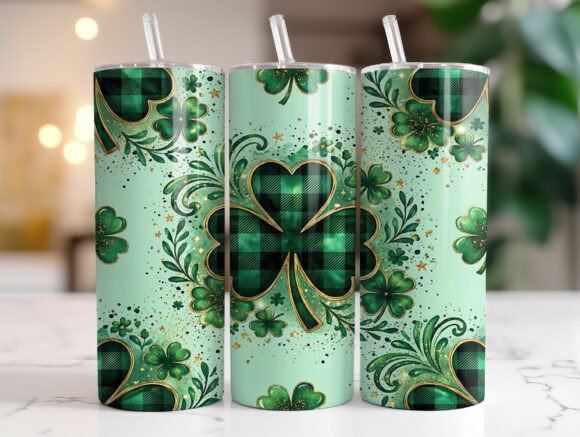
Buffalo Plaid Shamrock Clover Tumbler Review
As a designer who has spent years navigating the chaotic intersection of digital assets and physical stitching, I approach every new download with a mix of excitement and skepticism. There is nothing worse than loading a design into your machine only to realize it won't stitch out cleanly on your specific fabric or that the visual appeal falls flat in person. Today, I am evaluating the Buffalo Plaid Shamrock Clover Tumbler, a graphic asset marketed as an instant download for tumbler wraps and graphics. While the product description highlights high-resolution PNGs at 300 DPI, my goal here is to look past the marketing copy and assess how this design actually translates from a screen to a finished embroidered piece.
The First Impression: Mood and Visual Personality
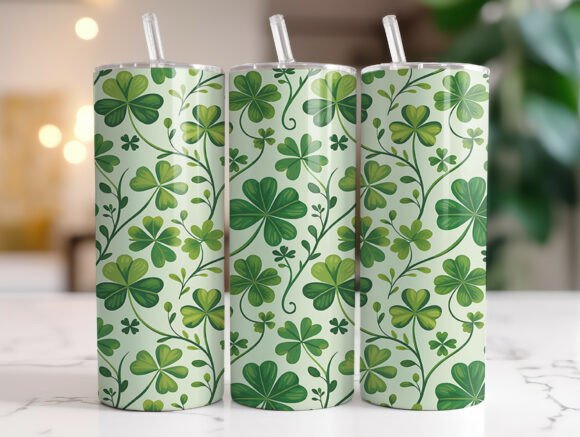
The moment you open the file for the Buffalo Plaid Shamrock Clover Tumbler, the aesthetic is immediately distinct. It captures a very specific "cottagecore meets rustic chic" vibe that is currently dominating the craft market. The juxtaposition of the classic red-and-black buffalo plaid pattern with the playful shamrock clover creates a mood that feels both cozy and festive. It screams St. Patrick's Day without being cliché, offering a textured look that appeals to customers who want something unique rather than generic clip art.
From a layout perspective, the design features two variations: one straight and one tapered. This versatility is crucial for a designer planning a real-world project. The straight version offers a bold, centered statement perfect for a tote bag or a sweatshirt chest pocket, while the tapered option suggests a more dynamic flow that could wrap around a curved surface like a hat or a specific angle on a kitchen towel. The detail level appears appropriate for machine embroidery; it avoids over-complicating the image with tiny lines that might get lost in the thread count, ensuring the plaid texture remains recognizable even after stitching.
Real-World Application: A Case Study in Custom Apparel
To truly test the viability of this design, imagine a scenario where I am preparing a limited run of custom merchandise for a local boutique owner. The client wants a line of aprons specifically for their staff during the spring season. They need something durable, visually striking, and instantly recognizable as part of their brand identity.
I pull up the Buffalo Plaid Shamrock Clover Tumbler file to mock up the apron. The first thought that comes to mind is the contrast potential. If I use white twill for the apron, the black lines of the plaid will pop beautifully, creating a sharp, professional look. However, if I were to use a dark navy or charcoal fabric, the red threads would need to be vibrant enough to stand out against the background. The design works exceptionally well as a focal point on the bib of an apron, serving as a conversation starter for customers.
Furthermore, consider the application on a baby onesie. Parents love personalized gifts, and a small version of this design stitched onto the shoulder of a onesie would be incredibly popular. The tapered aspect of the graphic allows it to fit nicely within the curve of a sleeve or the back of a neck, adding a touch of whimsy to a practical garment. For an Etsy seller, this design offers a high perceived value because it looks complex and hand-crafted, yet it is delivered as a simple digital file that can be produced quickly.
Technical Considerations for Embroidery Designers
While the concept is strong, the execution depends heavily on the technical details of the embroidery process. Since the product is listed as a printable PNG file rather than a native embroidery format (like .dst or .pes), the workflow requires a bit of extra care. You will need to import the high-resolution image into your digitizing software to convert it into stitches. This step is critical because the software must interpret the raster image into vector paths before assigning stitch types.
When converting the Buffalo Plaid Shamrock Clover Tumbler, pay close attention to the stitch density. Buffalo plaid relies on intersecting lines to create its pattern. If the digitizer sets the density too high, the fabric will pucker, especially on lightweight materials like cotton jersey or thin linen. Conversely, if the density is too low, the plaid pattern may look muddy or disconnected. I recommend using a combination of satin stitch for the outlines of the clover and fill stitches for the plaid blocks to maintain structural integrity.
Another factor to consider is the hoop size. The dimensions provided are 9.3″ x 8.2″, which is quite large for a standard single-hoop machine. If you are working on a smaller item like a cap or a patch, you will likely need to split the design or resize it significantly. Resizing down too much can cause the fine details of the plaid to disappear entirely. Always test the design on scrap fabric first to ensure the resolution holds up when scaled to your actual project size.
Where to Use It Carefully
Not every surface is suitable for this design. While the Buffalo Plaid Shamrock Clover Tumbler is versatile, there are specific scenarios where it might fail. Avoid using this design on highly textured fabrics like bouclé or heavy corduroy unless you are experienced with stabilizers. The uneven surface can cause the needle to deflect, resulting in misaligned stitches that ruin the crispness of the plaid pattern.
Stretchy fabrics also present a challenge. If you attempt to embroider this directly onto a stretchy t-shirt without adequate tear-away or cut-away stabilizer, the design may distort during the wear cycle. Additionally, be cautious with dark fabrics. Unless you select bright, saturated thread colors, the black elements of the plaid might blend into the background, making the design look dull rather than bold.
For commercial projects, such as mass-producing holiday gifts, remember that intricate designs take longer to stitch. If you are selling by the hour or have tight turnaround times, the complexity of the plaid pattern could impact your profit margins. Ensure your pricing reflects the time required to set up the stabilizer, run the machine, and perform any necessary trimming.
Final Verdict on Design Assets
In conclusion, the Buffalo Plaid Shamrock Clover Tumbler is a solid addition to a designer's library, particularly for those focusing on seasonal products or handmade goods. Its ability to bridge the gap between rustic tradition and modern festive style makes it a valuable asset for small business owners looking to expand their inventory. Whether you are creating a custom tote bag, a personalized gift, or a boutique product, this design offers a professional finish that customers appreciate.
However, success lies in the preparation. Do not simply assume the file will work perfectly out of the box. Check your thread color contrast, review the stitch density carefully, and confirm that your machine can handle the specific dimensions of the design. By treating this digital asset with the same respect as a custom digitized file, you can transform a simple PNG into a stunning finished product that elevates your brand and satisfies your clients. Happy stitching!