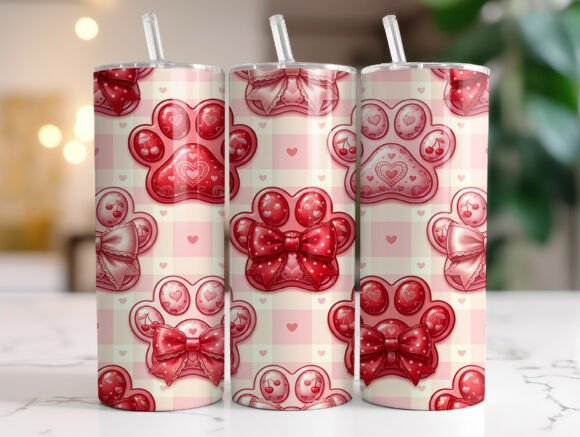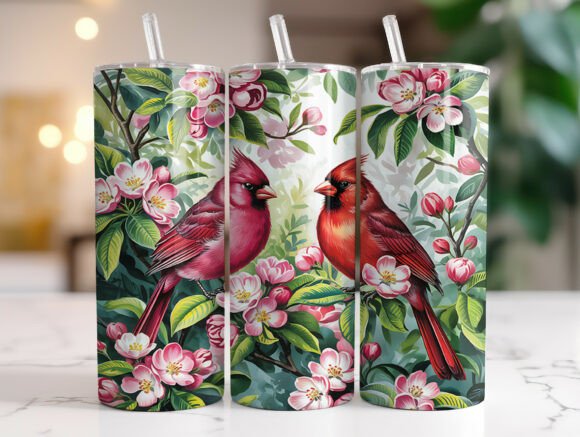
Cardinal Valentine s Day Tumbler Wrap Review
As a designer who spends more time hooping fabric than sleeping, I have learned to be skeptical of any new digital asset. The market is flooded with generic clipart and poorly digitized files that look like they were rushed through a machine in the middle of the night. When Cardinal Valentine s Day Tumbler Wrap landed on my desk for review, I didn’t just look at the preview image; I looked at how it would behave under tension, how the colors would interact with different thread choices, and whether it would actually hold up in a real-world commercial setting.
This is not a review of a physical product you can touch. It is an evaluation of a digital asset—a Graphics category item intended for conversion into a tangible embroidery project. Specifically, this is a tumbler wrap design meant for those popular 20-ounce stainless steel tumblers that dominate gift lists every February. Below is my honest assessment of its potential, pitfalls, and practical application for small business owners and serious hobbyists.
First Impressions: Mood and Visual Personality
The moment you open the file, the mood is immediately established. We are dealing with a classic Valentine’s Day theme, but executed with a specific avian subject: the cardinal. For many crafters, cardinals represent resilience and hope, which adds a layer of emotional depth beyond simple "love" hearts. This design feels less like a cheap novelty and more like a boutique-style accent piece.
Visually, the layout is clean. It avoids the cluttered aesthetic that plagues so much holiday embroidery. The shape is designed to wrap around the curvature of a tumbler, which means the composition must account for perspective distortion when stitched. From a graphic design standpoint, the balance between negative space and the central motif is strong. It suggests a design that will read clearly even from a distance, which is crucial for custom apparel or accessories where the viewer might only get a fleeting glance.
Real-Life Application: Where Does This Fit?
I often think about these designs in terms of finished product viability. If I were preparing inventory for a craft fair or updating my Etsy seller shop, where would this fit? The most obvious application is, of course, the insulated tumbler itself. However, as an experienced reviewer, I see broader utility.
Imagine a custom embroidered tote bag. Placing this tumbler wrap design on the side panel of a canvas tote creates a cohesive set if paired with a matching coffee sleeve. Alternatively, consider a baby shower gift. A soft cotton onesie or a burp cloth featuring this gentle cardinal motif works beautifully for gender-neutral celebrations. The red and green color palette (if utilizing traditional cardinal tones) also bridges the gap between Valentine’s Day and early spring, extending the product’s sales window.
For the small shop owner, this design offers versatility. It can serve as a standalone personalized gift for a teacher or coworker, or it can be part of a larger branding strategy for a boutique that specializes in drinkware accessories. The key here is perception. Customers trust handmade products that feel intentional. A well-executed embroidered patch or wrap signals quality, whereas a sloppy stitch job screams discount bin.
Performance Under the Needle
This is where the rubber meets the road. How does Cardinal Valentine s Day Tumbler Wrap perform in actual stitching scenarios? Without having access to the exact stitch count or machine compatibility data provided by the creator, we must rely on general principles of machine embroidery design.
When working with curved surfaces like tumblers, the stability of the fabric is paramount. You cannot simply hoop the vinyl or coated polyester of a tumbler liner; you need a sturdy base. This design likely relies on a combination of satin stitch for outlines and fill stitch for the bird’s body. If the stitch density is too high, the fabric may pucker, ruining the sleek look of the tumbler. If it is too low, the underlying material may show through, making the thread colors appear muddy.
I recommend testing this embroidery file on scrap fabric that mimics the texture of your final product. Does the fabric texture interfere with the detail? Are the feathers distinct, or do they blend into a blob? Check the small details—especially around the beak and eyes. In holiday embroidery, facial features are what give the character life. If those areas are lost in the stitch work, the charm is diminished.
Where to Use Carefully
Not every surface is created equal. There are specific scenarios where this design requires caution:
- Small Hoop Sizes: Ensure your machine can accommodate the full width of the wrap without requiring a re-hooping, which can misalign the pattern.
- Textured Fabrics: Avoid using this on heavy waffle-knit towels or nubby boucle fabrics unless you are prepared for significant detail loss.
- Stretchy Fabric: While tumblers aren't stretchy, if you adapt this design for a cap or a fitted shirt, you must use adequate stabilizer to prevent distortion.
- Dense Stitch Areas: If the design includes large solid blocks of red, ensure your thread tension is balanced to avoid thread breaks or bulkiness.
Impact on Brand and Customer Trust
In the world of craft business and digital product sellers, presentation is everything. A high-quality printable mockup helps, but the actual finished product seals the deal. Using a design like Cardinal Valentine s Day Tumbler Wrap affects buyer engagement because it signals attention to detail.
When a customer receives a personalized gift that looks professionally made, their trust in your brand increases. They are more likely to leave a positive review and return for future purchases. Conversely, a design that looks pixelated or poorly stitched can damage your reputation instantly. By vetting the design beforehand—checking it in black and white to assess contrast, verifying the hoop size limits, and inspecting the running stitch edges—you protect your brand equity.
Practical Designer Notes
Before you upload this to your production queue, keep these steps in mind:
- Test on Scrap: Never run a new design directly onto your best merchandise. Use scraps to dial in your tension and speed.
- Check Licensing: Confirm whether this commercial embroidery license allows you to sell the finished items. This distinction is vital for Etsy listings and physical retail.
- Color Matching: Test the thread colors against your chosen fabric. Red on white pops; red on navy blends. Choose wisely based on your target aesthetic.
- Stabilizer Choice: Use a cut-away stabilizer for durability, especially if the item will undergo frequent washing.
- Mockup Validation: Compare light and dark fabric backgrounds in your design software to ensure visibility before committing to production.
In conclusion, Cardinal Valentine s Day Tumbler Wrap appears to be a solid addition to the toolkit of any designer looking to capitalize on the Valentine’s season. It balances thematic relevance with visual simplicity, making it suitable for a wide range of handmade products. However, success lies not just in the file itself, but in the execution. Treat it with the same rigor you would any other design asset, and it will serve your customers—and your bottom line—well.