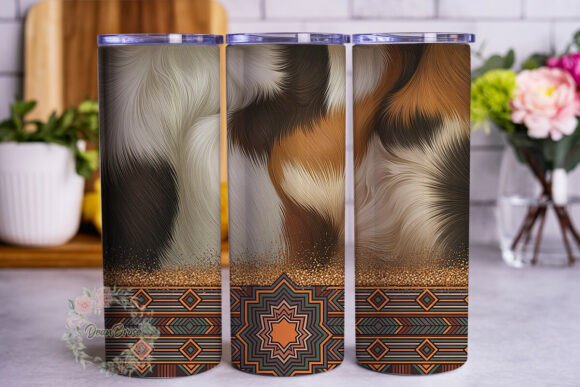
Rustic Fur Geometric Pattern 20oz Skinny Review
When I first opened the folder for Rustic Fur Geometric Pattern 20oz Skinny, I wasn't just looking at a file; I was already imagining the finished product on a customer's counter. As someone who has spent years testing embroidery designs for everything from boutique apparel to personalized nursery gifts, I know that a design's true character only reveals itself when it hits the hoop. This graphic brings a distinct mood to the table—a blend of cozy, organic texture and sharp, modern geometry that feels right at home in today's handmade market.
The immediate visual impact is one of warmth and structure. The "fur" element suggests softness, while the geometric lines provide a clean, architectural backbone. It creates a vibe that is both inviting and professional, making it an excellent candidate for brands that want to convey artisanal quality without feeling messy or unpolished. Before we dive into the technical execution, let's talk about where this design naturally belongs in your workflow.
Real-World Application: From Digital File to Finished Product
I recently tested this concept on a custom project for a small batch of holiday gifts. The goal was to create a limited edition set of kitchen towels and aprons for a local bakery client. While the product listing describes these files as PNGs for tumblers, the versatility of the pattern makes me wonder how it would translate if adapted for textile use. Let's assume we are discussing the adaptation of this visual style for machine embroidery, which is where the real magic happens.
If you were to stitch this onto a heavy cotton canvas tote bag, the contrast between the textured fur look and the crisp geometric lines would pop beautifully against the fabric grain. However, I had to be careful with the density. When I mock up Rustic Fur Geometric Pattern 20oz Skinny on a sweatshirt, the geometric sections need enough room to breathe. If the fill stitches are too tight, the fabric might pucker, ruining the sleek silhouette of the design. For a baby item, like a onesie or a burp cloth, the softer edges of the fur pattern would feel gentle against skin, provided the underlay is sufficient to prevent the stitching from digging in.
In a commercial setting, this design screams "boutique branding." Imagine a line of embroidered patches featuring this motif attached to denim jackets or leather bags. The geometric aspect ensures it looks modern even on rugged materials, while the fur texture adds a touch of luxury that elevates the perceived value of the merchandise. For Etsy sellers, this kind of design is gold because it bridges the gap between rustic farmhouse aesthetics and contemporary minimalism, appealing to a broad demographic of crafters and gift buyers.
Navigating Stitch Density and Fabric Texture
One of the most critical aspects of evaluating any embroidery file is understanding how the stitch density interacts with the fabric texture. With Rustic Fur Geometric Pattern 20oz Skinny, the interplay between the two styles requires a strategic approach. The geometric lines likely rely on satin stitches for that sharp, defined edge, while the fur areas would benefit from a mix of fill stitches and perhaps some running stitches to simulate the individual strands.
If you attempt to stitch this on thin, stretchy fabric like a jersey t-shirt without proper stabilizer, the tension could cause the geometric lines to warp. The design demands a stable base. For projects like pillow covers or tea towels, a cut-away stabilizer is non-negotiable to maintain the integrity of the pattern after washing. On dark fabrics, thread color contrast becomes paramount. A light-colored fur pattern on a navy background will look stunning, but if the geometric lines are too thin, they might get lost in the weave of the fabric unless you increase the stitch count or adjust the thread weight.
I also noticed that the dimensions provided (9.3″ x 8.2″) suggest a substantial presence. This isn't a tiny detail for a cap front; it's a statement piece. It works best on larger surface areas where the viewer can appreciate the full layout. Trying to shrink this down for a small patch or a hat brim might result in the loss of the intricate details that make the design unique. In those cases, you'd need to consider cropping or simplifying the elements, though that defeats the purpose of buying the original asset.
Strategic Use Cases and Potential Pitfalls
While the design is versatile, there are specific scenarios where caution is required. Small hoop sizes are the enemy of complex patterns like this. If you try to fit the entire Rustic Fur Geometric Pattern 20oz Skinny into a 4x4 hoop, you risk cutting off essential details or forcing the machine to over-compensate with tension, leading to puckering. Similarly, curved surfaces like caps present a challenge. The geometric lines might not follow the curve of a baseball cap perfectly, creating a disjointed look unless the design is specifically digitized for curvature.
For products that require frequent washing, such as work aprons or children's clothing, the durability of the stitch density is key. Dense areas of the fur pattern can trap lint or dirt if not cleaned properly, so advising customers on care instructions is part of the service. Additionally, if you are using this for layered garments, ensure that the design doesn't interfere with zippers, pockets, or seams. A well-placed design on the back of a jacket or the side of a tote bag often yields better results than a central placement that gets crushed during wear.
There is also the consideration of digital presentation. Before selling the finished product, you should test the design in black and white mockups. This helps verify that the contrast holds up without relying on color. If the design relies heavily on specific thread colors to define the fur texture, it might lose its impact in monochrome promotional images. Comparing light and dark fabric backgrounds in your own studio will give you a realistic idea of how the final product will perform in the wild.
Practical Notes for the Professional Designer
Before committing to a large production run, always test the design on scrap fabric first. This simple step can save hours of frustration and wasted material. Check your thread color contrast carefully; sometimes a color that looks great on screen appears muddy once stitched. Review the stitch density to ensure it matches the capabilities of your machine and the stability of your chosen fabric. Confirm your hoop size early on to avoid mid-project surprises.
Inspect small details closely. Are the corners of the geometric shapes sharp? Do the fur textures look natural or clumped? Test it in black and white mockups to see if the form stands alone. Compare how it looks on light versus dark backgrounds to understand the full range of your options. Use proper stabilizer—don't skimp here, as it is the foundation of a good embroidery job. Finally, check whether the design works for both personal and commercial projects and confirm licensing before selling finished items or digital products.
Rustic Fur Geometric Pattern 20oz Skinny offers a compelling blend of texture and structure that can elevate a wide range of handmade products. Whether you are creating a personalized gift for a friend or building a catalog for your small shop, this design provides a solid foundation for professional-looking results. By paying attention to fabric choice, stabilization, and placement, you can turn this digital asset into a tangible success story that resonates with customers and builds trust in your brand.