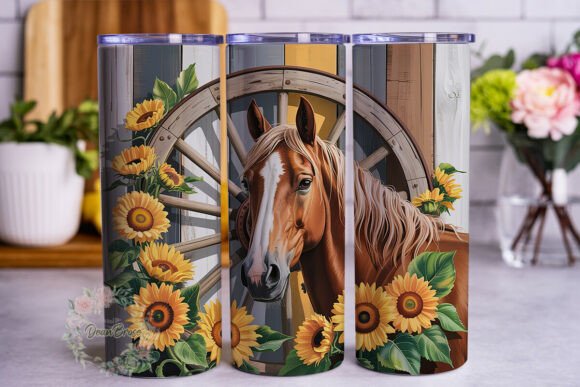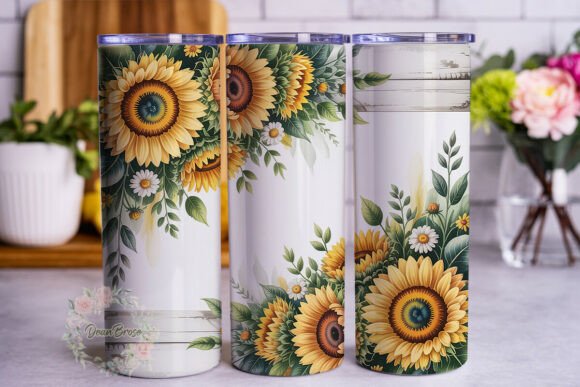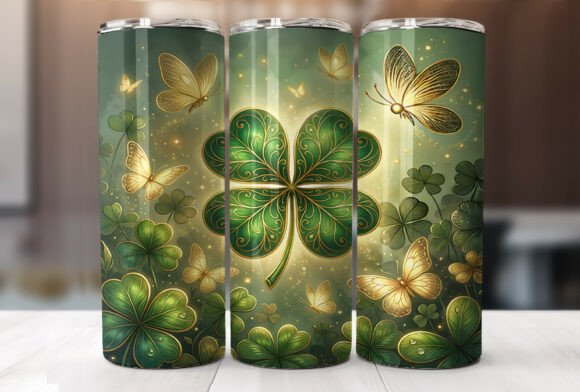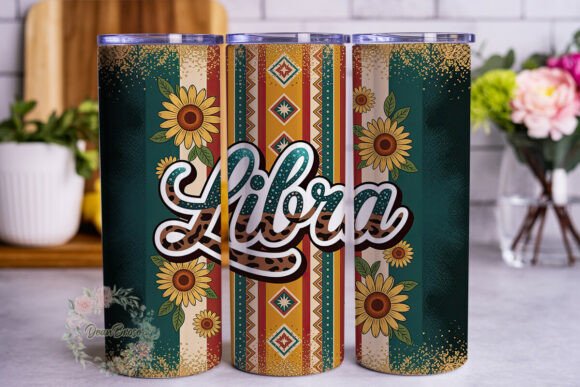
Sunflower Monarch Butterfly Tumbler Wrap Review
As a designer who has spent years stitching through hundreds of digital files for client projects and my own handmade shop, I have learned to look past the pretty preview image. When I first encountered the Sunflower Monarch Butterfly Tumbler Wrap, I wasn't just looking at a graphic; I was visualizing the finished stitch work on a variety of fabrics. The design immediately caught my eye with its warm, inviting energy, but my job is to determine if that visual appeal translates into a high-quality embroidery project that stands up to real-world wear.
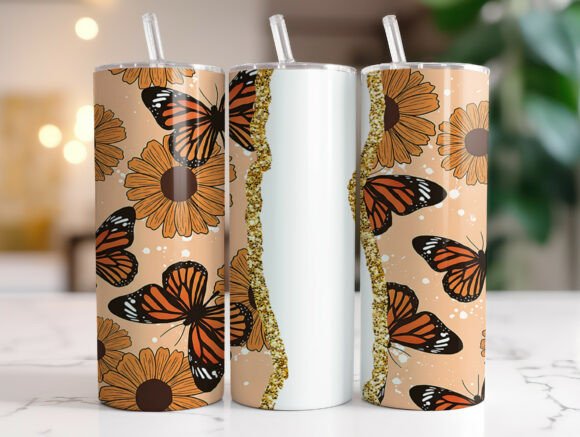
The concept of combining the golden warmth of sunflowers with the delicate grace of a monarch butterfly creates a distinct mood. It feels like late summer afternoons and rustic garden parties. This isn't a stark, modern geometric pattern; it is organic, flowing, and full of life. For anyone running a craft business or selling personalized gifts, this kind of emotional connection is crucial. Customers do not just buy an embroidered item; they buy the feeling the design evokes. The layout of the Sunflower Monarch Butterfly Tumbler Wrap suggests a natural flow that could wrap beautifully around curved surfaces, making it an excellent candidate for tumblers, though its versatility extends far beyond that single use case.
From Digital Preview to Real-World Stitching
When evaluating any embroidery file, the transition from a flat PNG to a textured stitched piece is where many designs fail. The Sunflower Monarch Butterfly Tumbler Wrap offers two distinct versions: a straight PNG and a tapered PNG. This is a smart move by the creator, as it allows the designer to adapt the shape to different container profiles without forcing a square peg into a round hole. However, before committing to a production run, one must consider how these shapes interact with fabric texture.
I envision this design primarily on sturdy materials that can support the weight of the stitches. A custom tote bag made from heavy canvas would be a perfect match. The bold lines of the sunflower petals and the intricate wings of the butterfly would pop against the rough texture of the canvas, creating a tactile experience that enhances the product's value. Similarly, for a small shop owner looking to create branded merchandise, placing this design on a sweatshirt or a kitchen apron could elevate a basic item into a boutique-style piece. The colors in the original graphic suggest a palette that works well with standard thread colors, likely requiring shades of yellow, orange, deep reds, and greens.
However, the design requires careful consideration regarding density. If the stitch density is too high, the fabric might pucker, especially on thinner materials like a tea towel or a lightweight baby onesie. For a baby embroidery project, you would need to ensure the design is scaled down appropriately so the satin stitches do not become stiff or uncomfortable against sensitive skin. Conversely, for a commercial embroidery project on a durable cap or a patch, the design could handle more density, provided the stabilizer is chosen correctly to support the tension.
Where to Use (and Where to Pause)
Not every surface is a good home for the Sunflower Monarch Butterfly Tumbler Wrap. While the design is versatile, there are specific scenarios where caution is required. One major area to watch is curved surfaces like caps. While the tapered version helps, the curvature of a hat brim can distort the perspective of the flowers and butterflies if the machine does not compensate perfectly during the stitching process. If you are an Etsy seller creating holiday gifts, you want your finished product to look professional, not distorted.
Another critical factor is fabric choice. Thin fabrics or stretchy knits can be problematic without proper stabilization. If you attempt to embroider this on a flimsy t-shirt without a tear-away or cut-away stabilizer, the design may wash out or lose definition. Dark fabrics also present a challenge. The bright yellows and oranges of the sunflower will stand out, but if the background fabric is very dark, you might need to add a light underlay or change the background color of the design itself to ensure the details don't get lost in the shadows. Testing on scrap fabric is non-negotiable here.
I would also advise against using this design for products that require frequent washing and heavy abrasion unless the stitching is dense enough to withstand the wear. A decorative accent on a pillow cover is fine, but a high-use item like a work apron needs to be evaluated for durability. The small details in the butterfly wings are particularly vulnerable; if the running stitch sections are too thin, they might break down over time. Always inspect the small details in your digitizing software before sending the file to the machine.
Impact on Brand and Customer Trust
In the world of handmade products and craft business, the quality of your embroidery speaks volumes about your brand consistency. A sloppy or poorly registered design can undermine customer trust, no matter how beautiful the concept is. The Sunflower Monarch Butterfly Tumbler Wrap has the potential to be a signature asset for a boutique or a seasonal collection. When customers see a cohesive, well-executed design on their personalized gift, they are more likely to return for future purchases.
The design's visual personality aligns well with themes of nature, growth, and beauty. This makes it highly suitable for wedding gifts, nursery decor, or spring-themed collections. The ability to offer both straight and tapered versions adds a layer of professionalism to your offerings. You can market this as a specialized design that fits various product lines, from tote bag designs to sweatshirt embroidery. This flexibility increases the perceived value of the digital embroidery file and gives you more options for your design assets.
For those creating printable mockups or digital product previews, the high resolution of the source material ensures that your listings look sharp and attractive. A clear, detailed image helps buyers visualize the final result, which is essential for driving engagement and sales. However, remember that a mockup is not the same as the real thing. Your reputation depends on delivering a finished product that matches the promise of the image.
Practical Notes for the Designer
Before you start stitching, there are several technical checks you must perform. First, confirm the hoop size requirements. The dimensions of 9.3″ x 8.2″ are substantial, so ensure your machine can accommodate this without cropping the design. If you are working with a smaller hoop, you may need to split the design, which adds complexity and risk of misalignment.
Thread color contrast is another vital element. Test the design with your intended thread colors to ensure the sunflowers and butterflies have enough separation. Sometimes, a yellow flower on a green stem can look muddy if the thread shades are too similar. Using a black and white mockup can help you see the contrast levels clearly without the distraction of color.
Always review the stitch density and check whether the design works for both personal and commercial projects. Licensing terms vary, so verify what you are allowed to do with the embroidery project before selling the finished items. If you plan to sell the digital file itself, ensure you have the rights to redistribute it. Finally, always test the design on scrap fabric first. This simple step can save you hours of frustration and prevent ruined materials.
The Sunflower Monarch Butterfly Tumbler Wrap is a strong contender for your next creative endeavor. It balances aesthetic charm with practical application, offering a design that feels both timeless and trendy. By approaching it with the right preparation and attention to detail, you can transform this digital graphic into a stunning handmade product that brings joy to your customers and elevates your portfolio. Whether you are a hobbyist making a gift for a friend or a seasoned pro building a small shop product line, this design deserves a spot in your workflow.