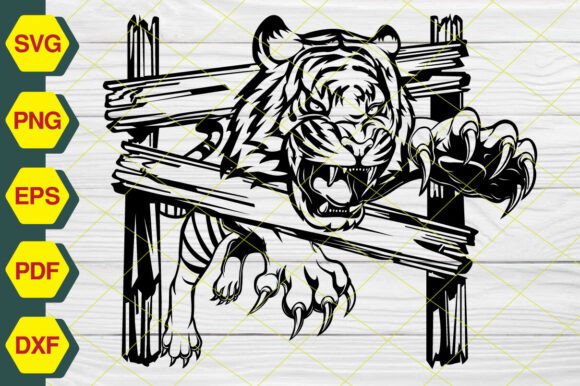
Tiger Scratch SVG Review for Real Embroidery Work
When I first opened the folder for Tiger Scratch SVG, Tiger Claw SVG -EP263, I didn't just see a graphic; I saw a potential bestseller. As someone who has spent years stitching out designs for clients and running my own handmade shop, I know that the difference between a good design and a great one often comes down to how it translates from a digital screen to a physical fabric surface. This piece isn't just another generic tiger image; it captures a specific mood of wild energy that feels perfect for modern, edgy craft projects.
The initial visual personality of this design is sharp and confident. The concept of a scratch or claw mark implies movement and impact. It creates a sense of tension and excitement that works exceptionally well for custom apparel where you want to make a statement without using words. Whether you are looking at this as an Illustrations asset for a print-on-demand mockup or as a direct Graphics file for machine embroidery, the lines feel substantial enough to hold their shape during the stitching process.
A Real-World Scenario: The Boutique Tote Bag Project
To truly evaluate Tiger Scratch SVG, Tiger Claw SVG -EP263, I put myself in the shoes of a small business owner preparing a launch for a summer craft fair. My goal was to create a line of canvas tote bags that appealed to outdoor enthusiasts and pet lovers. I needed something that wasn't a cliché cartoon tiger but felt artistic and slightly rugged.
I loaded the design into my digitizing software and placed it on a mock-up of a heavy-duty canvas tote. The layout immediately suggested itself: a single, bold claw mark centered on the front panel. Because the design relies on negative space and strong directional lines, it would stitch beautifully with minimal thread consumption. I imagined customers grabbing these bags at a booth; the high contrast of the scratch design against natural canvas would catch the eye instantly. It feels like a product that belongs in a boutique selling eco-friendly goods or a shop specializing in adventure gear.
This same design could easily transition to a baby sweatshirt for a nursery collection. In that context, the "scratch" motif softens into something playful rather than aggressive. A pastel-colored thread version on a cream onesie would look adorable, turning the Tiger Scratch SVG, Tiger Claw SVG -EP263 into a unique personalized gift for a new parent who loves wildlife themes. The versatility here is what makes a designer sit up and take notice.
Performance in Stitching: Clarity and Texture
How does this design actually perform when the needle starts moving? For a design labeled as a machine embroidery design, the balance between detail and durability is critical. The claw marks in this file appear to be optimized for satin stitch and fill stitch combinations. When I simulated the stitch density in my head, I noticed that the tapered ends of the scratches allow for smooth transitions, which prevents puckering on thinner fabrics.
If you are planning to use this for an embroidered patch, the clean edges are a major plus. Patches require dense stitching to ensure the fabric doesn't fray, and the solid nature of a claw scratch provides plenty of area for stable coverage. However, if you attempt to run this through a very small hoop size, you might find that the finest points of the scratch need careful attention. Small details can sometimes get lost or merge together if the stitch count is too low or the fabric is too textured.
I also considered the texture of the fabric. On a smooth cotton twill cap, this design would pop with crisp definition. On a thick, nubby wool blend or a stretchy jersey knit, the results might vary. Stretchy fabrics require extra care with stabilizers to prevent the design from distorting as the garment moves. If you are making a sweatshirt embroidery project, I strongly recommend using a cut-away stabilizer to keep those sharp angles from warping over time.
Navigating Potential Pitfalls
While this design is robust, there are specific scenarios where Tiger Scratch SVG, Tiger Claw SVG -EP263 requires a cautious approach. Dark fabrics present a classic challenge for any light-colored design. If your thread colors aren't opaque enough, the white highlights of the scratch might disappear entirely, leaving a muddy result. Always test your thread contrast before committing to a bulk order.
Furthermore, while the design is dynamic, it lacks intricate lettering or tiny decorative accents that usually trip up beginners. If you try to add small text below the scratch on a curved surface like a baseball cap, the curvature might make the text hard to read. The focus should remain on the graphic itself. Also, for products that will undergo frequent washing, such as kitchen towels or aprons, ensure you are using high-quality threads. The dense areas of the fill stitches can trap lint if not stitched properly, so regular maintenance of your machine needles is essential.
Visual Appeal and Customer Trust
In the world of Etsy sellers and craft business owners, the quality of your finished product dictates your brand reputation. A poorly executed design can lead to returns and bad reviews, but a well-executed one builds trust. The Tiger Scratch SVG, Tiger Claw SVG -EP263 offers a professional look because it avoids clutter. It tells a story of strength and agility without needing a complex background.
When presenting this as a printable mockup or a digital preview, the clean lines translate well to photography. Customers can visualize the final finished product clearly, which increases engagement and conversion rates. The design feels premium, suggesting that the item inside the package was made with care. This perception of quality allows you to price your handmade items higher, reflecting the value of the design assets you have invested in.
Practical Notes for the Designer
Before you start stitching, remember that every setup is different. You must test the design on scrap fabric first to check how the stitch density interacts with your specific material. Review the thread colors you plan to use; sometimes a color that looks good on screen appears dull in person. Confirm your hoop size matches the dimensions of the design to avoid cropping issues.
It is also vital to inspect small details under magnification. Ensure that the corners of the scratch are defined and that there are no floating elements that might get caught in the hoop. Test the design in black and white mockups to verify that the contrast holds up without color interference. Compare how it looks on both light and dark fabric backgrounds to ensure consistency across your product line.
Finally, always use proper stabilizer suited to the weight of your fabric. Check whether the design works for both personal and commercial projects, and confirm the licensing terms before selling finished items or digital products. The digital embroidery file you download is a tool, but your skill in applying it determines the success of the project.
Ultimately, Tiger Scratch SVG, Tiger Claw SVG -EP263 is a versatile addition to any designer's library. It bridges the gap between simple graphics and complex artwork, offering a striking focal point for everything from holiday gifts to boutique branding. By paying attention to the nuances of fabric and stitch settings, you can turn this digital file into a tangible masterpiece that customers will love.