Retro Groovy Easter Skinny Tumbler Wrap Review
As a designer who spends hours evaluating digital assets for real-world production, I don't just look at how a design looks on a screen. I need to know how it translates into thread, how it holds up after the first wash, and whether it adds genuine value to a handmade product. When I first encountered the Retro Groovy Easter Skinny Tumbler Wrap, my initial reaction was one of curiosity. The "groovy" aesthetic is currently trending, but applying that vibe to an embroidery project requires careful consideration. This isn't just a pretty image; it is a specific graphic asset designed for sublimation or print, yet its visual language begs to be interpreted through needle and thread.
The First Impression: Mood and Visual Personality
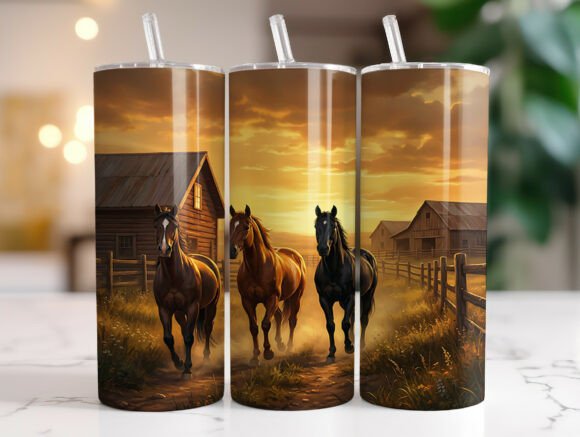
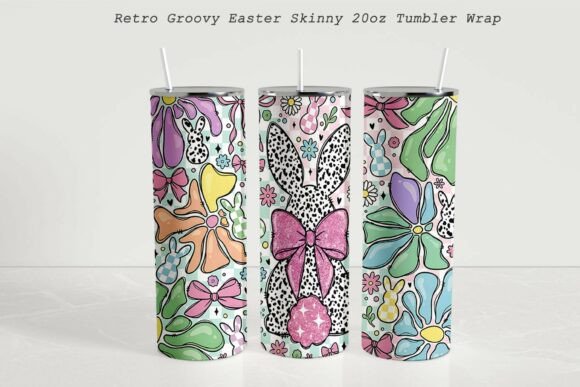
The moment you see the Retro Groovy Easter Skinny Tumbler Wrap, the mood shifts instantly. It captures a nostalgic, hippie-inspired energy that feels playful yet grounded. The layout is designed to wrap around a skinny 20oz tumbler, which means the composition is elongated and continuous. For an embroidery designer, this presents an interesting challenge. Can we translate a seamless wrap pattern into a stitched design without it looking cluttered? The answer lies in the details. The groovy shapes and Easter motifs create a sense of movement that works exceptionally well on vertical surfaces.
Unlike standard blocky designs, this piece relies on flow. If you are planning to use this as a source of inspiration for a custom embroidery file, the "groovy" elements suggest a heavy reliance on fill stitch to capture the texture of the retro patterns. The visual personality is bold and fun, making it perfect for spring-themed collections. However, the complexity of the lines means that the final output will depend entirely on your ability to simplify the vector data for stitching. A direct digitization of every curve might result in a mess, so the key is to extract the essence of the design rather than copying it pixel-perfectly.
Real-World Application: From Screen to Stitch
I recently put myself in the shoes of a small business owner preparing for the Easter season. Imagine you are creating a line of boutique products for an Etsy shop. You have a collection of canvas tote bags, aprons, and baby onesies ready for customization. How does the Retro Groovy Easter Skinny Tumbler Wrap fit into this workflow?
Consider a scenario where you want to create a matching set for a gift basket. Instead of just printing the wrap on a plastic tumbler, you decide to embroider a simplified version of the pattern onto a high-quality linen tea towel or a soft cotton apron. The elongated nature of the original design translates beautifully here. You can adapt the wrapping concept into a vertical panel on the front of the apron. The retro colors would pop against a neutral fabric background, creating a cohesive brand identity that screams "handmade with care."
For apparel decorators, this design offers a unique angle. While the original is meant for a tumbler, the motif is versatile enough for a sweatshirt back print or a large chest pocket design on a hoodie. The "hippie" theme resonates well with younger demographics who appreciate vintage aesthetics. If you are selling finished goods, using this design as a base for a custom embroidered patch could elevate a plain denim jacket or a baseball cap. The visual appeal increases significantly when the texture of the thread interacts with the groovy curves, adding depth that flat prints simply cannot achieve.
Where to Use It (and Where to Pause)
Not every surface is a good candidate for this specific style. While the design is robust, there are limitations you must respect to ensure a professional finish. If you are working with small hoop sizes, such as those used for hat embroidery, the intricate details of the Retro Groovy Easter Skinny Tumbler Wrap might get lost. Tiny lettering or fine lines often break down when stitched on curved surfaces like caps, leading to pucker or undefined edges.
Textured fabrics also pose a risk. Thick fleece or heavily woven materials can swallow the detail of a complex design. If you attempt to stitch this on a stretchy fabric without proper stabilizer, the tension required to hold the dense fill stitches could cause the garment to warp. Similarly, dark fabrics require careful thread color selection. If the original design relies on subtle shading, using light threads on dark fabric might not provide enough contrast, resulting in a muddy appearance. In these cases, testing on scrap fabric is non-negotiable.
Impact on Product Value and Customer Trust
In the world of Etsy sellers and craft business owners, the quality of the finishing touches determines customer trust. A poorly executed design can make a handmade product look cheap, regardless of the material used. The Retro Groovy Easter Skinny Tumbler Wrap, when adapted correctly, signals professionalism. It shows that the maker has thought about the aesthetic coherence of their brand.
When a customer receives a personalized gift, such as a baby item or a holiday present, they notice the details. A clean, well-stitched design with consistent stitch density suggests that the creator cares about the outcome. This design's playful nature makes it highly giftable, especially for spring holidays. It stands out in a crowded market because it combines a popular trend (retro) with a seasonal occasion (Easter). By incorporating this visual style into your commercial embroidery projects, you align your products with current consumer preferences, potentially increasing buyer engagement and repeat sales.
Practical Designer Notes for Execution
Before you commit to a full production run, there are several technical steps you must take. First, always test the design on scrap fabric. This allows you to gauge how the thread colors interact with your specific material and whether the hoop size accommodates the full length of the design without shifting.
You need to review the stitch density carefully. If the original graphic has too many tiny details, consider simplifying them during the digitization process. Dense areas can lead to thread breaks or difficulty in hooping. Check whether the design works for both personal and commercial projects by reviewing the licensing terms provided with the Retro Groovy Easter Skinny Tumbler Wrap. Many digital assets come with restrictions on resale, so confirming your rights before selling finished items is crucial.
Inspect small details closely. Sometimes, what looks good on a monitor disappears when rendered in thread. Use black and white mockups to check contrast levels, and compare how the design looks on both light and dark backgrounds. Ensure you use the proper stabilizer to support the fabric, especially if you are working with thin or stretchy materials. Finally, verify the file formats and machine compatibility. If the design is provided as a raster image intended for sublimation, you will need to convert it into a viable embroidery file with appropriate satin stitch and running stitch settings.
The Retro Groovy Easter Skinny Tumbler Wrap is more than just a printable graphic; it is a source of creative potential for designers willing to adapt it. Whether you are creating a tote bag design, a sweatshirt embroidery piece, or a unique embroidered patch, this asset offers a fresh take on seasonal themes. By approaching it with practical judgment and technical precision, you can turn a digital download into a standout finished product that customers love.